Responding to terror: The Human Rights Imperative
By PUCL Bulletin Editorial Board
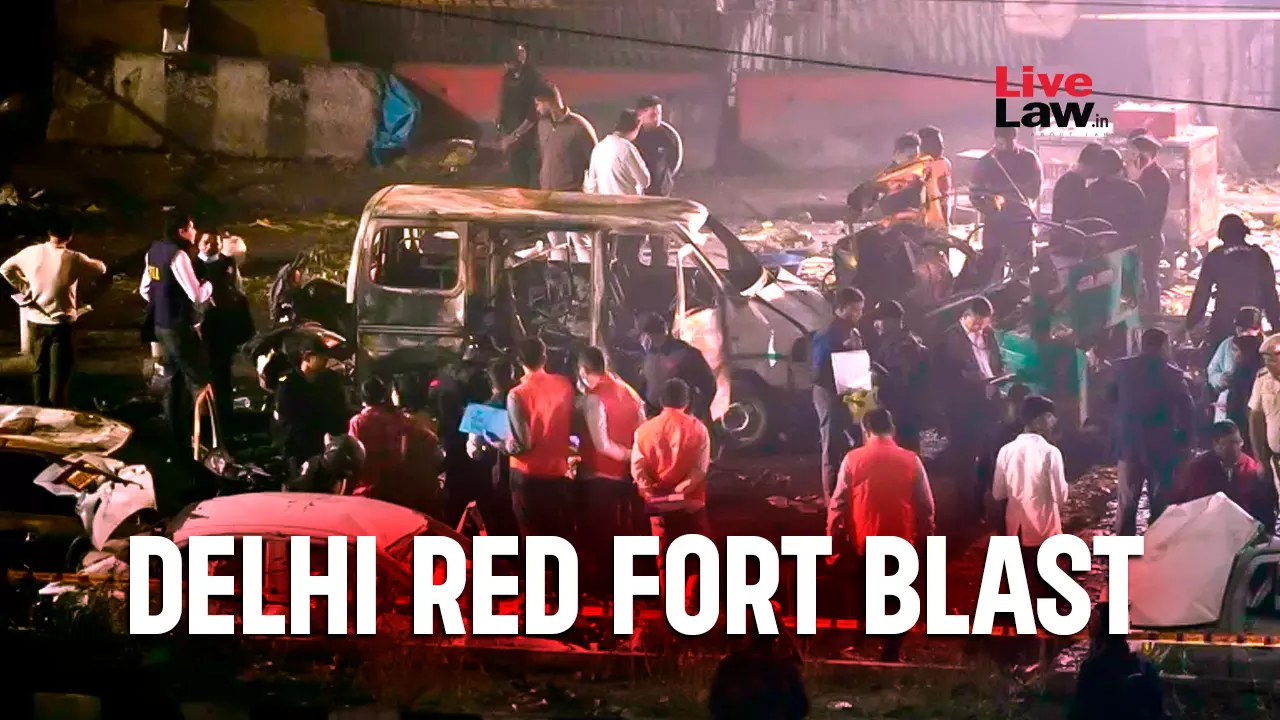
On 10th November, 2025, an explosion of a white Hyundai i20 car near Gate 1 of the Red Fort killed 10-13 people, and injured around 32 people. The appalling and painful loss of innocent lives in this incident has shaken up the entire country and PUCL unequivocally condemns this act of terror, and seeks strict action and a fair investigation. However, we are pained to see that this moment of tragedy has become an excuse to criminalise an entire community.
After taking over the case a day after the blast, the National Investigation Agency (NIA) released a statement on 16th November, 2025, saying that the “deceased driver of the vehicle-borne IED (improvised explosive device) was Umar Un Nabi, a resident of Pulwama District and Assistant Professor in General Medicine Department in Al Falah University.” The statement also said that the NIA had arrested Amir Rashid Ali, adding the car used in the attack was registered in his name. It accused Ali of conspiring with the alleged suicide bomber and said that agency examined 73 witnesses including those injured in the blast.
While the perpetrators need to be brought to justice, PUCL strongly believes that this tragic event should have been met with measures by the administration to ensure peace and harmony and reassure citizens that their safety would be guaranteed throughout the country. However, instead, it spurred a series of actions by the government targeting Kashmiris and increasing the already severe state repression in Jammu and Kashmir.
In a shocking abdication of the state’s responsibility to abide by the Constitution, on the intervening night of 13-14 November, the home of the accused, Dr. Umar Un Nabi, was illegally demolished using explosives in Pulwama district. Media reports suggest that the residents were asked to vacate the house, and forbidden from taking anything other than the gas cylinders. Locals also alleged several nearby houses also suffered damages in the blast. This demolition is nothing other than a ‘punitive’ action by the state, which neither holds the perpetrator accountable, nor is a constitutional course of action by the state. All it did was end up demonstrating that the Indian state functions outside the rule of law.
As PUCL has stated in a number of statements and editorials, such punitive demolitions are a form of collective punishment meted out outside the framework of law making a mockery of the Indian Constitution. They violate the most basic principles of fair trial and justice. Such punitive demolitions happen without any legal basis, and disproportionately affect not only the individual, but all the family members who live in the house as well. The family members were punished for what their son may have done by being rendered homeless during the harsh winter of Kashmir. To add to the punishment of the family, the demolition was followed by the detention of multiple family members of the accused.
The punitive demolitions demonstrate a vengeful attitude towards perpetrators of awful violence, an attitude unbecoming of a constitutional state. While the NIA and police must leave no stone unturned to bring the perpetrators to justice, they are still bound by the constitution and rule of law. By engaging in punitive demolition of the home of the accused, the state has given the go by to the Constitution, reinforcing the perception that human rights and the rights guaranteed by the Constitution do not apply to Kashmiris.
Apart from the small minded, brutal and unconstitutional tyranny of demolishing the home of the accused, the investigation has led to a deplorable crackdown on the people of Kashmir.
A senior police official was reported to have said that raids were carried out in multiple districts of J&K, and detentions of several people. The Jammu and Kashmir Student Association alleged that Kashmiri students across several northern Indian States such as Uttar Pradesh, Haryana, Rajasthan and Delhi were facing profiling, eviction and intimidation. In their statement, the JKSA also said that many landlords have asked Kashmiri tenants to vacate their homes forcing several students to return home out of fear. Media also cited official reports that the police have ‘checked’ more than 500 people from J&K in Faridabad (NCR) alone. Such profiling and discrimination of Kashmiris violate their constitutional rights as equal citizens of the country.
In Himachal Pradesh, Kashmiri shawl sellers alleged harassment and profiling, and are being subjected to forced bag-checks and questioning from locals on suspicion of them carrying weapons and explosives. Many such vendors said that they were not allowed to move freely without prior verification and permission from the local panchayat and police. In another instance, a group of 44 workers from J&K, who were travelling to Arunachal Pradesh for work, were detained at a railway station in Assam’s Tinsukia and released after questioning and verification by the police. The police have also detained people for social media posts and comments that allegedly express ‘support for terrorism’.
It is the responsibility of the government to guarantee the safety and dignity of workers. A dreadful event such as the Red Fort bomb blast cannot be an excuse for discrimination and profiling of Kashmiris by the state as well as non-state actors.
Unfortunately, it has been a trend all over the country to stereotype and profile Kashmiris in the aftermath of such incidents. Even after the horrifying killings of tourists in Pahalgam, Kashmir witnessed large-scale arbitrary detention of people, and Kashmiri students across north India faced sudden evictions, blatant discrimination, expulsions, and even physical assaults. Unfortunately it is not just the police which is profiling and surveilling Kashmiris but also local panchayats and local communities. This is another form of citizen vigilantism which is extremely dangerous which the state is permitting only because the targets are Kashmiris and Muslims.
In the latest of the series of such attacks on the rights of Kashmiris, the office of the Kashmir Times newspaper was raided on 20th November, on the basis that the publication “was involved in activities against the country”. Just a week before, the PUCL had issued a statement condemning the attempt by the Jammu and Kashmir government and its District Information Officers (DIOs) to surveil working journalists, restrict access to freelance journalists and seek private information like their salary statements and academic qualifications under the guise of curbing criminal activities and misrepresentation by those posing as media persons. In an environment with already heightened state repression, the raid on the Kashmir Times office was another nail in the coffin of democracy in Kashmir.
As Anuradha Bhasin put it, the charges against her and the claim that arms and weapons were found on its premises, is “desperation to vilify us because we dare to speak”. She said: “It’s our duty to bring out the ugly truth” adding pointedly “this government is completely intolerant of any word of criticism”. She said: “Ever since 2019 the suppression and intimidation of the media has been exacerbated much more than it was earlier. It existed even before the BJP and Narendra Modi regime. But it has become much more. This government is completely intolerant of any word of criticism.”
Instead of targeting innocent people, and coordinating efforts to silence independent media, such moments of tragedy must lead to efforts by the government to unite people and assure them of peace and security and work to defend the values of the Constitution. Moreover, the government must actively work to prevent and punish acts of discrimination, profiling and harassment of Kashmiris, done on the basis of unfounded suspicions and an unconstitutional suspicion of an entire community.
International Human Rights Day on December 10, 2025, must be marked by removing the restrictions imposed on the people of Kashmir, its civil society and media, especially after the abrogation of Article 370. The terrorist attack at the Red Fort which followed the Pulwama incident, gives the lie to the Government’s justification for the abrogation of Article 370, namely the ending of terrorism and the ushering in of peace in Kashmir.
The people of Kashmir must be assured that they are equal citizens of the country and are entitled to peace and security, like any other citizen of India. Kashmiris have the right to political justice. It is vital that those who perpetrate acts of terror must be brought to justice within the framework of the Constitution.
A state which violates the Constitution for some of its citizens will eventually end up violating the Constitution for all of its citizens. Hence it is a vital constitutional duty for all citizens to speak up when the state disregards the Constitutional mandate when it comes to its interactions with the people of Kashmir.